
Relocating from Texas to New Mexico is one of the more manageable interstate moves available — neighboring states, a direct interstate connection, and enough cultural overlap to ease the transition. But “manageable” doesn’t mean automatic. The tax structure changes, the real estate market works differently, and New Mexico’s distinct culture requires genuine adjustment rather than assumption. This guide gives Texas-to-New Mexico movers a clear, honest roadmap from decision to settled-in.
The Texas-to-ABQ Financial Case
The financial picture depends heavily on which Texas city you’re leaving. From Austin (median ~$550K), the housing savings are significant — $150,000–$200,000 on a comparable home. From Dallas (~$450K), the savings are meaningful. From Houston (~$340K) or San Antonio (~$310K), ABQ is comparable or slightly higher on housing but wins significantly on property taxes.
The key tax trade-off: Texas has no state income tax; New Mexico taxes income at 1.7–5.9%. For a $150,000/year household, moving to NM means roughly $5,500–$7,000 in new state income tax annually. Against that: NM property taxes on a $350,000 home are roughly $2,500–$3,200/year — compared to $6,300–$8,750+ on a $350,000 Texas home (at Texas’s 1.8–2.5% effective rates). The net tax difference often favors ABQ for homeowners, particularly as Texas property values and tax rates have escalated.
Step 1: Decide on Your ABQ Neighborhood (3–6 Months Out)
Albuquerque’s neighborhoods are geographically organized around the Rio Grande (running north-south through the city) and the Sandia Mountains (east border). Understanding the basic layout before you visit saves significant confusion:
- Northeast Heights / Foothills: Established, family-oriented, mountain-adjacent. High Desert and Sandia Heights for premium foothills living; Hoffmantown and Academy Hills for mid-range family neighborhoods with strong schools.
- Nob Hill / Central: Walkable, urban character, independent restaurants and arts. Good for Austin transplants who want the 6th Street vibe without the prices.
- Westside: Newer construction, planned communities, more affordable. Similar character to DFW suburban development but at lower price points. Ventana Ranch, Taylor Ranch.
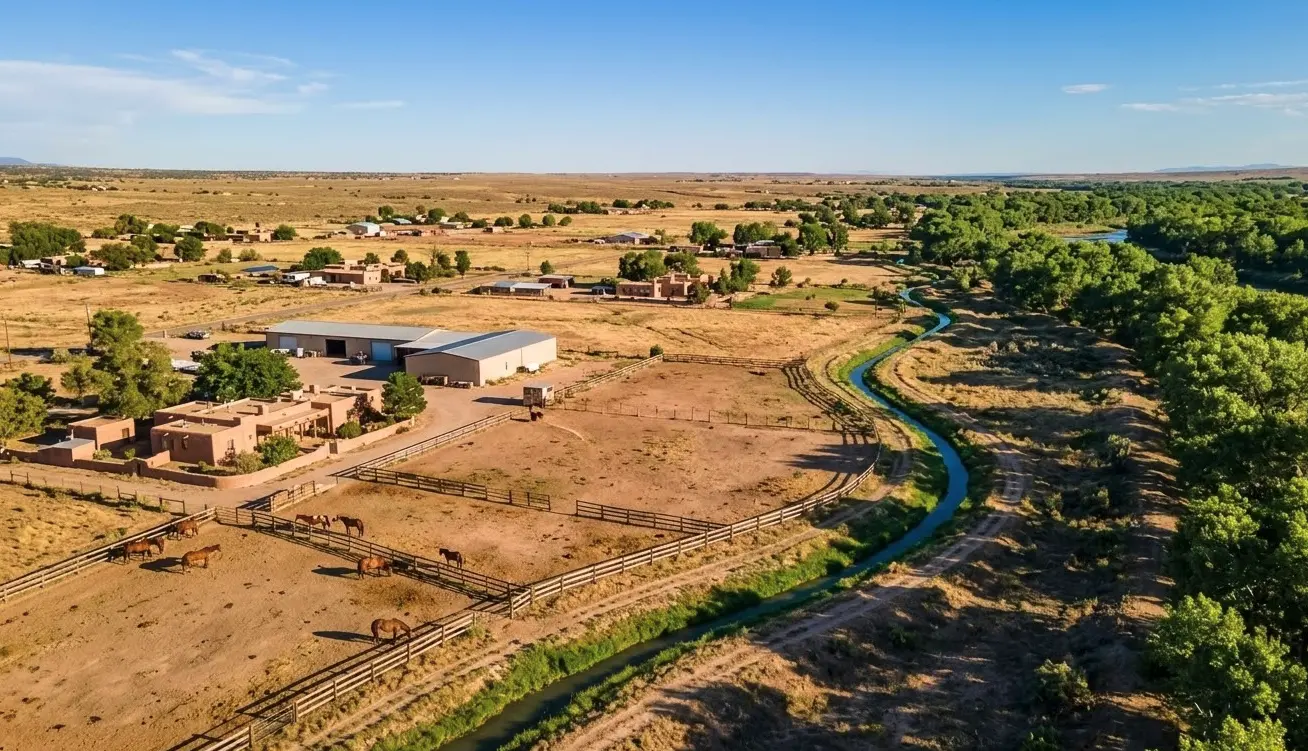
- North Valley: Semi-rural, bosque access, horse properties. For Texas buyers who loved hill country or rural-adjacent properties.
- South Valley: Most affordable, more rural character, older stock. For buyers prioritizing value and large lots.
Visit at least twice in different seasons before committing to a neighborhood. October is ideal (Balloon Fiesta, perfect weather); July shows you monsoon season and summer heat.
Step 2: Coordinate the Texas Sale and ABQ Purchase
Texas has strong spring and fall selling seasons (March–June, September–November). Listing your Texas home in the spring, targeting a 30–45 day close, positions you well to purchase in ABQ’s spring market.
Practical approaches:
- Sell TX, rent ABQ temporarily: Removes time pressure from your ABQ purchase. Short-term furnished rentals are available in most ABQ neighborhoods. 3–6 months of renting lets you learn the city before buying.
- Simultaneous close: Coordinate both transactions. Works well with organized agents on both ends and a clear timeline. Have a bridge financing plan if timings slip.
- Buy ABQ first: Only viable if you have the cash to carry two properties. Eliminates all time pressure on the ABQ search but requires financial reserves.
Step 3: The Logistics of Moving Texas to New Mexico
Distance reference points:
- Dallas to ABQ: ~620 miles, ~9 hours on I-20/I-40
- Houston to ABQ: ~760 miles, ~11 hours on I-10/I-25 or I-10/US-54/I-25
- Austin to ABQ: ~640 miles, ~9 hours on various routes
- San Antonio to ABQ: ~570 miles, ~8 hours on I-10/I-25
Full-service moving company costs from Texas to ABQ run approximately $4,500–$10,000 for a 3-bedroom household depending on distance and volume. Get three quotes. Peak moving season (May–August) costs more and books faster — plan early if you’re moving in summer.
If you’re driving personal vehicles: the I-40 approach from East Texas through Amarillo and into New Mexico is scenic and well-traveled. The I-10/I-25 route through El Paso is the southern option. Both are straightforward interstate drives with adequate rest stops.
Step 4: NM Residency and Legal Setup (First 90 Days)
- NM Driver’s License: Required within 90 days. Bring TX license, passport or birth certificate + SSN card, and two NM address proofs. The written test is typically waived for out-of-state license holders.
- Vehicle Registration: NM charges a 4% motor vehicle excise tax at first registration. On a $40,000 vehicle: $1,600. Surrender Texas plates and registration; bring the TX title.
- Insurance: Texas and New Mexico have different minimum coverage requirements. Get NM-compliant coverage before registering vehicles.
- Voter Registration: Update through the MVD or online. Documents your NM residency intent.
- First NM Tax Return: The year you move, you’ll file a TX return for the TX-residency portion of the year and an NM return for the NM portion. No TX income tax was due; NM taxes income earned while an NM resident. A CPA familiar with both states simplifies this significantly.
Step 5: Adjusting to New Mexico Life
Texas and New Mexico share a borderland culture — both have deep Hispanic heritage, Spanish-language communities, and similar outdoor living values. But New Mexico is culturally distinct in ways that matter. The food is not Tex-Mex; green chile is a separate culinary tradition with its own devotion. The political culture in Albuquerque is more progressive than Texas cities. The pace is slower, the city is smaller, and major league sports don’t exist here.
What Texas transplants consistently discover: the outdoor recreation access is transformative. The Sandia Mountains visible from your neighborhood, the bosque trails along the Rio Grande, the skiing within 90 minutes — these become central to daily life in ways that flat-Texas living didn’t allow. Most Texas transplants report adapting quickly once they engage with what New Mexico actually offers rather than what they expected to miss.
Final Thoughts
The Texas-to-New Mexico move is logistically smooth, financially advantageous for most homeowners (especially those leaving Austin or Dallas), and culturally manageable for Texans who approach the transition with openness. Sherlock Homes NM guides Texas transplants through every step of the ABQ purchase process — from initial neighborhood selection through closing. Reach out to start your investigation into the right Albuquerque neighborhood for your Texas lifestyle and budget.