
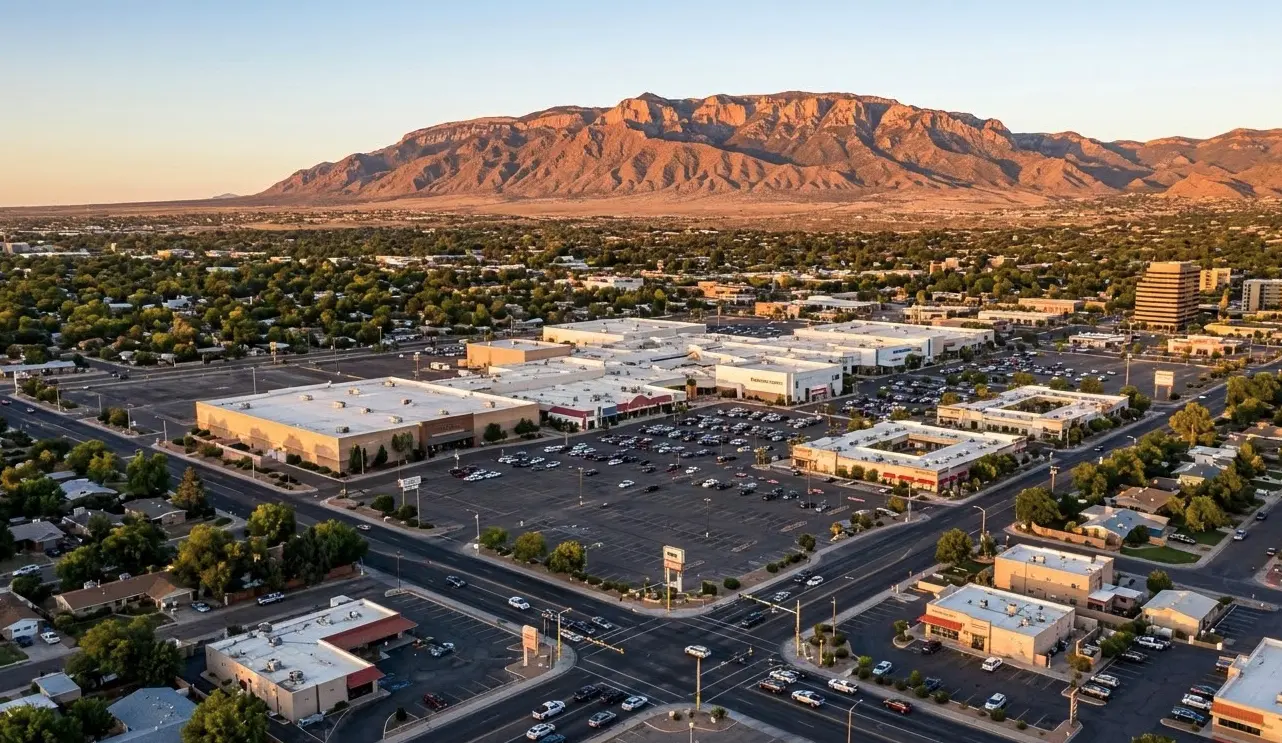
Understanding where the Albuquerque real estate market is headed requires looking beyond headlines and into the structural forces shaping buyer behavior, seller decisions, and neighborhood-level dynamics. In 2026, several trends are converging to create a market that looks meaningfully different from the overheated conditions of 2021–2022 — and in some ways, more sustainable. Here’s what Sherlock Homes NM is tracking as the defining trends of the year. Data here is editorial and based on observed market patterns; consult current MLS data and a local agent for transaction-specific guidance.
Trend 1: Rate-Driven Lock-In Effect Slowly Unwinding
The “lock-in effect” — where homeowners with 3% mortgages refuse to sell and give up that rate — has suppressed ABQ listing inventory since 2022. As 2026 progresses, this effect is gradually weakening. Life events (job changes, divorce, upsizing for growing families, downsizing for empty nesters) eventually override rate inertia, and the 3–4 years that have passed since the low-rate era means more homeowners are approaching those tipping points.
The practical result: more listings are coming to market in 2026 compared to 2024–2025 in many segments. This isn’t a flood — it’s a gradual thaw. Buyers should expect slightly more choice than in recent years, but not the buyer’s market conditions that would require steep negotiating concessions from sellers.
Trend 2: Migration Patterns Continue to Favor ABQ
Albuquerque has been a net beneficiary of Western state migration for several years, and 2026 shows no sign of that reversing. The typical profile: buyers from California, Colorado, and Texas selling homes at significant equity gains and arriving in ABQ with substantial cash — often enough to pay well over list price or buy outright.
These buyers gravitate toward established, character-rich neighborhoods. Nob Hill, North Valley, and the foothills of Northeast Heights have seen significant out-of-state buyer activity. The downstream effect: local buyers who compete in these segments face cash-equipped competition that’s hard to match without equivalent equity or financing creativity.
Trend 3: New Construction Shifting the Westside Calculus
The Albuquerque metro’s new construction pipeline has been concentrated on the Westside and in Rio Rancho, where land is available and entitlements move faster than in the established East Side. Communities like Cabezon, Ventana Ranch, and newer Rio Rancho developments are adding inventory that the resale market can’t match.
Builders have been offering rate buydowns and incentive packages to move inventory — in some cases buying down rates to the high 5% range for qualified buyers. This is shifting the value proposition: a new construction home with a 5.75% bought-down rate sometimes pencils out better monthly than a resale at 6.5%, even at a higher purchase price. Buyers in the $300K–$450K range should model both scenarios.
Trend 4: Days on Market Normalizing — But Not for Everyone
Average days on market (DOM) in the ABQ metro has climbed from the 10–15 day frenzies of 2021 to a more normalized 30–45 days in many segments. But that average masks huge variation. Well-priced homes in high-demand neighborhoods — Academy Hills, Ridgecrest, Nob Hill — still move in under two weeks. Overpriced listings in any neighborhood or homes with condition issues are sitting 60–90 days or longer.
The market is doing what markets should do: ruthlessly punishing mispriced listings while rewarding correctly positioned ones. Sellers who chase their neighbor’s top-of-market sale from 2022 are learning that the market has moved on. The best outcomes in 2026 come from pricing with current data, not nostalgia.
Trend 5: Rental Market Softening Creates Buyer Opportunity
ABQ’s rental market, which surged alongside home prices in 2021–2023, has softened as new apartment supply came online. Asking rents for 2-bedroom units that hit $1,400–$1,600/month at peak have pulled back in some submarkets. This has a secondary effect: the urgency that was pushing renters to buy at any price has eased slightly. Renters who were panicking about affordability in 2022 now have a bit more room to be selective.
For investors, the rental softening is worth factoring into cap rate calculations — especially for properties purchased at 2022–2023 peak prices. The cash flow math that worked at 3% rates and peak rents doesn’t always hold at 6.5% rates and slightly lower rents.
Trend 6: Condo and Townhome Demand Rising
As single-family homes remain out of reach for many first-time buyers at current rates, attached housing — condos and townhomes — is seeing renewed interest. Downtown Albuquerque loft conversions, Nob Hill condos, and townhome developments along the I-25 corridor have absorbed buyers who would have stretched for a single-family home in prior years. This segment had been overlooked during the SFR frenzy but now offers genuine value, often with HOA amenities that offset maintenance concerns.
Final Thoughts
The overarching trend in Albuquerque real estate for 2026 is normalization — not collapse, not renewed frenzy, but a market finding its equilibrium after years of distortion. For buyers and sellers who understand these currents, there are genuine opportunities. Sherlock Homes NM monitors these trends at the neighborhood level, providing the granular insight that metro-wide averages can’t deliver. Reach out to discuss what these trends mean for your specific situation in ABQ.